
Case study: Using 3D scanning and modelling for a complex dust extraction installation
Mike Cautley | Published November 5th 2026 | Updated November 5th 2026
At APS, we’re proud to have a team of leaders when it comes to innovation in the dust extraction industry.
In one of our most recent projects, we worked with a high-end manufacturer of high-performance PEEK polymer, on a large and technically demanding job which required detailed consideration, ahead of an LEV system installation.
Challenge
We were appointed on account of our ability to highly accurately plan and design dust extraction systems, with the customer valuing our Front-End Engineering Design (FEED) study process.
The project was substantial in scale and required a high level of design accuracy. Our team needed to establish the proposed equipment layout and ductwork routes, specify the appropriate dust collector and ancillary equipment, and account for the requirements of an environment where appropriate ATEX certification was required.
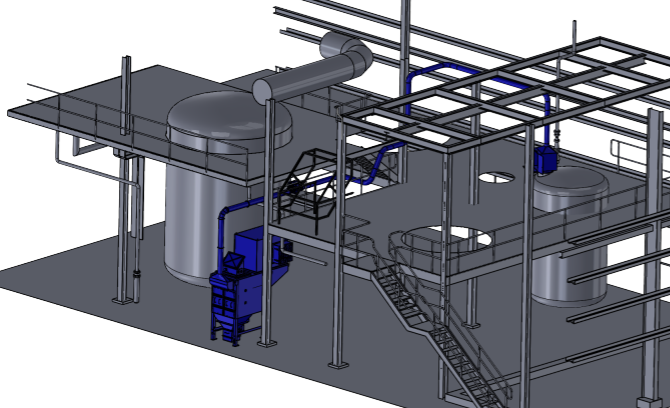
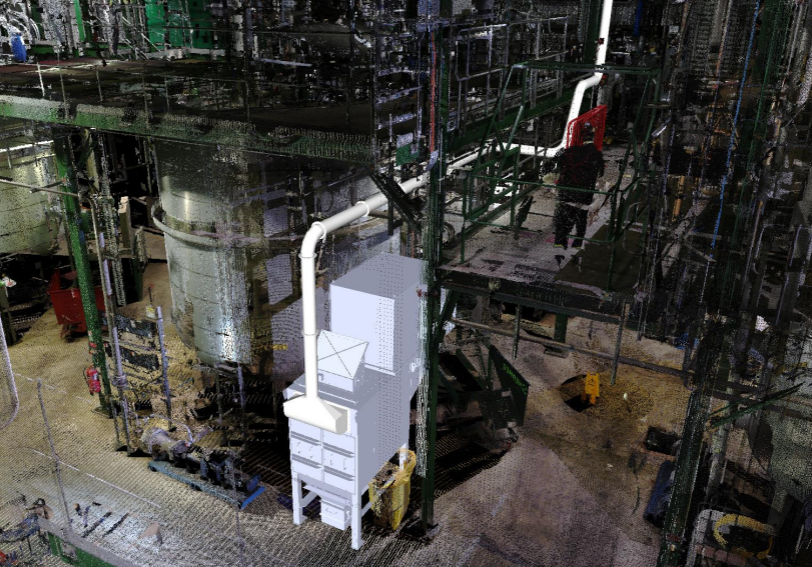
As part of the FEED study, we used 3D scanning and 3D design to develop the layout in considerable detail. For this project, the customer required a very high degree of accuracy, so having that information available from the outset of design was particularly valuable.
Solution provided by APS
As At the FEED stage, we estimated that the work could require around six to eight weeks, with two or potentially three installation teams working continuously. By developing and agreeing the design in advance, a significant proportion of the engineering work had already been completed before the installation phase even began.
By combining 3D scanning and modelling to build a detailed representation of the proposed system within the customer’s existing environment, our engineering team had a detailed record that could be referenced throughout the engineering process.
The 3D environment also allowed potential physical clashes and access considerations to be identified at design stage rather than once installers were on site, making the process of installation much smoother.
Benefits and outcomes
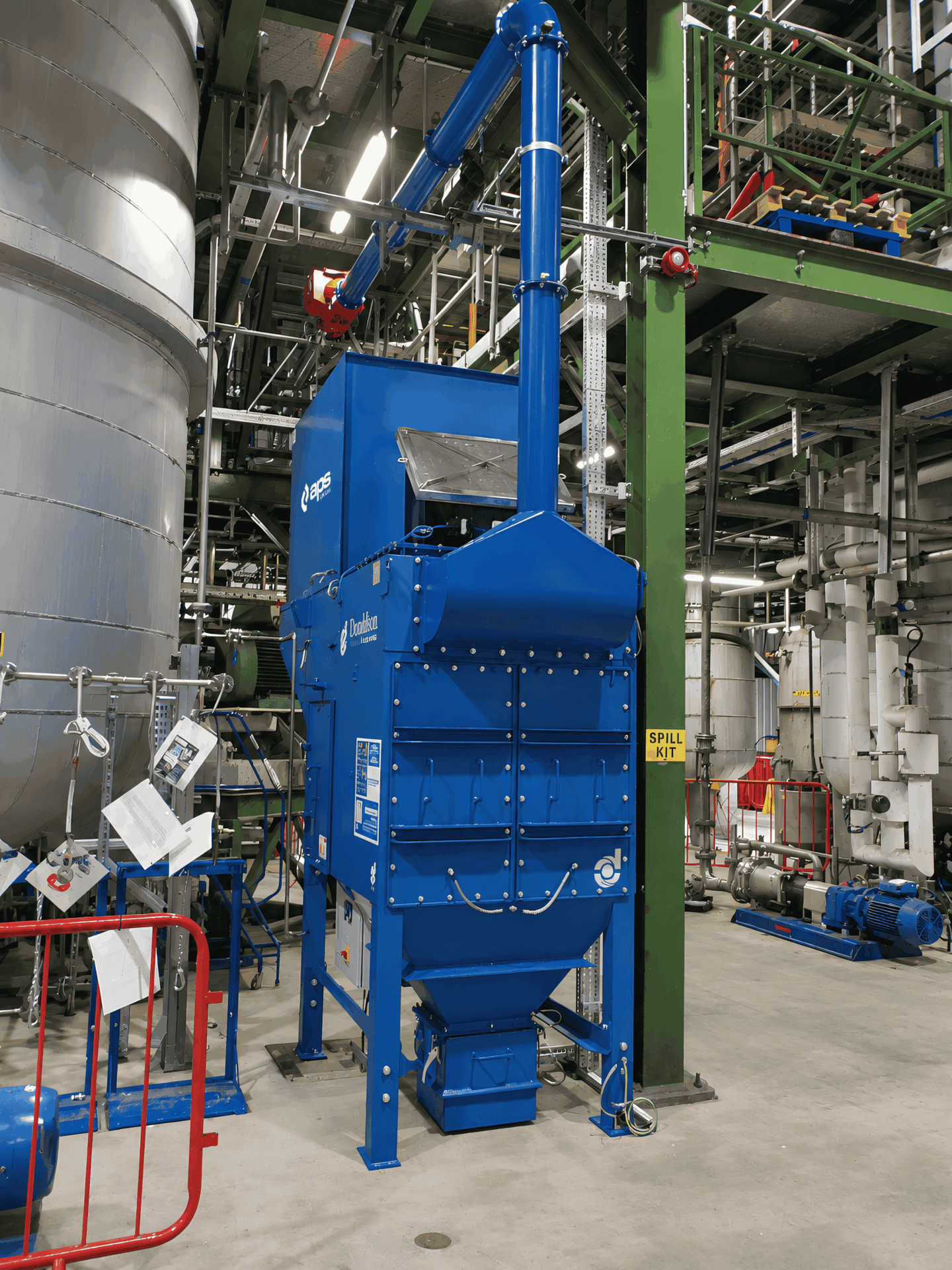
The main benefit, for both our team and the customer, was greater certainty going into a complex installation, as around 80% of the work involved in developing the solution had effectively been addressed through the FEED process.
The design, specification and practical constraints had been considered and reviewed before the work reached site, giving all parties a clearer understanding of the proposed system and reducing the need to resolve fundamental design questions during installation.
For a project of this size and complexity, FEED is highly beneficial for giving our customers peace of mind that they won’t face surprises along the way, with accurate costs and expectations from the outset.
Mike Cautley, Project Manager at APS said: “3D modelling lets us design around the real factory environment, rather than treating the extraction system in isolation. This means we can identify potential clashes, and consider practical issues, like how operators can work and move around a system. When paired with a detailed FEED study, it creates transparency for everyone involved, and allows the customer to see what’s achievable.” Are you looking to upgrade your dust extraction system? Get in touch with our expert team today.

We Consult
Understanding is key. We take the time to grasp your specific requirements, ensuring solutions tailored just for you.

We Design
With your needs as our blueprint, we craft designs that are both functional and in step with modern aesthetics.
We Install
Our team prioritises a smooth, efficient installation process, minimising disruption while focusing on optimal safety outcomes.
