
A guide to dust and fume extraction in the plastic industry
Matt Brown, Sales Director | Published May 21st 2026 | Updated June 12th 2026
If you want to keep your staff safe from respiratory hazards and combustion risks arising from the fine particles generated during plastic processing, you’ll need a high-quality dust extraction system. In our latest blog, our Sales Director Matt Brown, covers the dangers posed by dust, and how you can control it.
The dangers of dust and fume in plastic processing
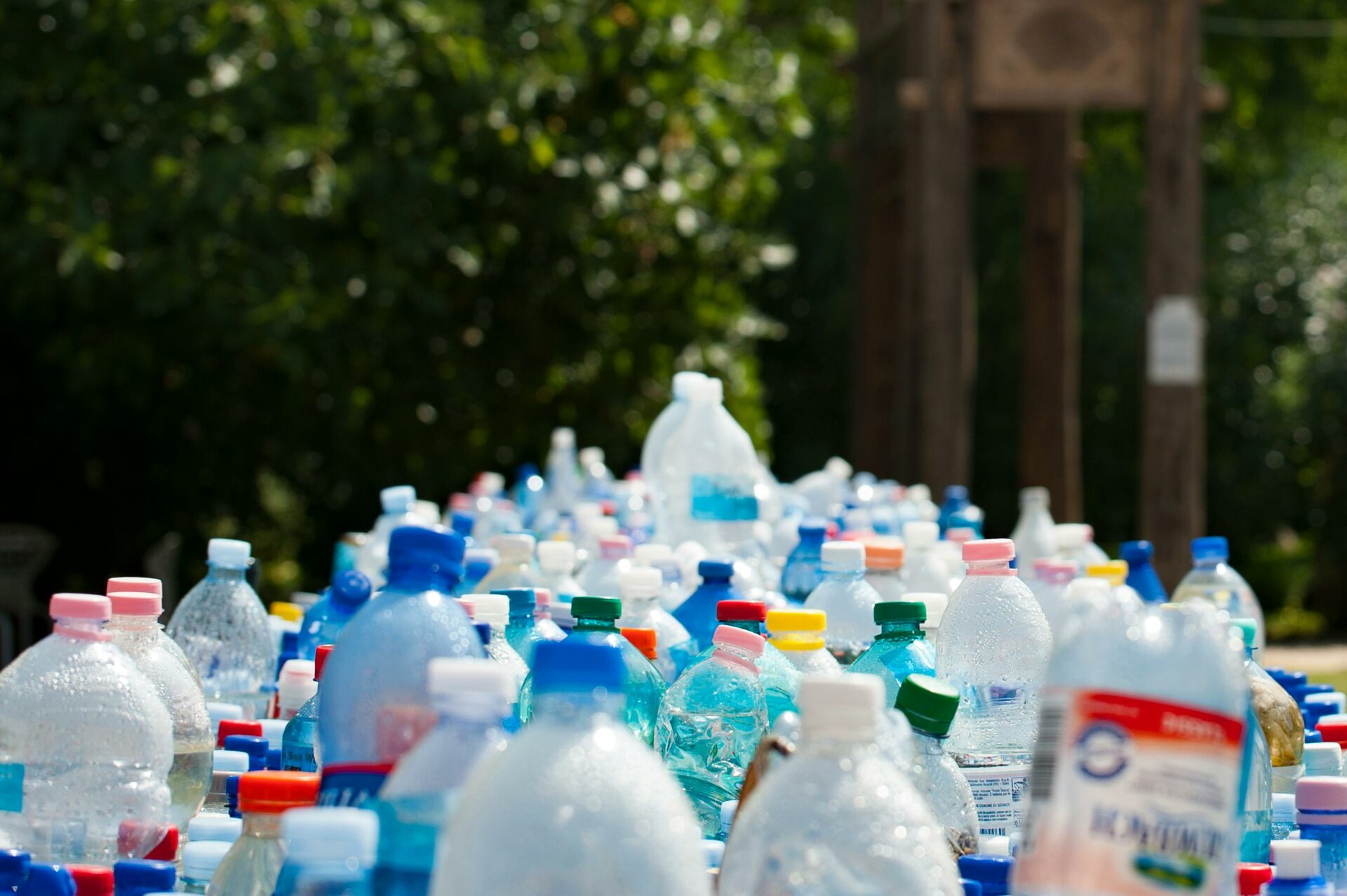
The plastics manufacturing industry handles and processes large volumes of dry powders, including polymer resins, PVC, flame retardants and filler, generating dust which poses health risks to those working in factories.
Many plastic powders are combustible and can create explosive dust clouds when dispersed in air and exposed to an ignition source like static electricity or frictional heat. High risk areas include confined places where plastic powders are conveyed, milled, or processed; transfer areas; and areas with hidden surfaces where dust gathers over time.
Inhaling these plastic particulates can cause immediate and long-term health problems, with the finest dust able to penetrate deep within the lungs and cause asthma. Plastic dust also often contains hazardous additives, with regular exposure to PVC increasing the risk of lung cancer.
Outside of impacting your staff, accumulated dust can clog machinery and electronics, disrupting your production, and increases your maintenance costs.
Managing dust and fume in plastic manufacturing
If you operate a plastic processing facility, it’s a legal requirement under Control of Substances Hazardous to Health and Dangerous Substances and Explosive Atmospheres Regulations to control dust and fume in your factory.
For this, you need to install and maintain a properly designed LEV system, which will remove airborne contaminants directly at the source, preventing them from being inhaled by your factory floor teams. Under COSHH regulations, LEV systems must be tested and examined by someone with a P601 qualification or higher at least every 14 months, with maintenance needed regularly on top of this.
Outside of installing a dust and fume extraction system, you should routinely monitor the quality of the air in your factory, to assess the effectiveness of the controls you have in place, and make sure you’re complying with Workplace Exposure Limits (WELs).
Selecting the best dust or fume extraction system for a plastic processing environment
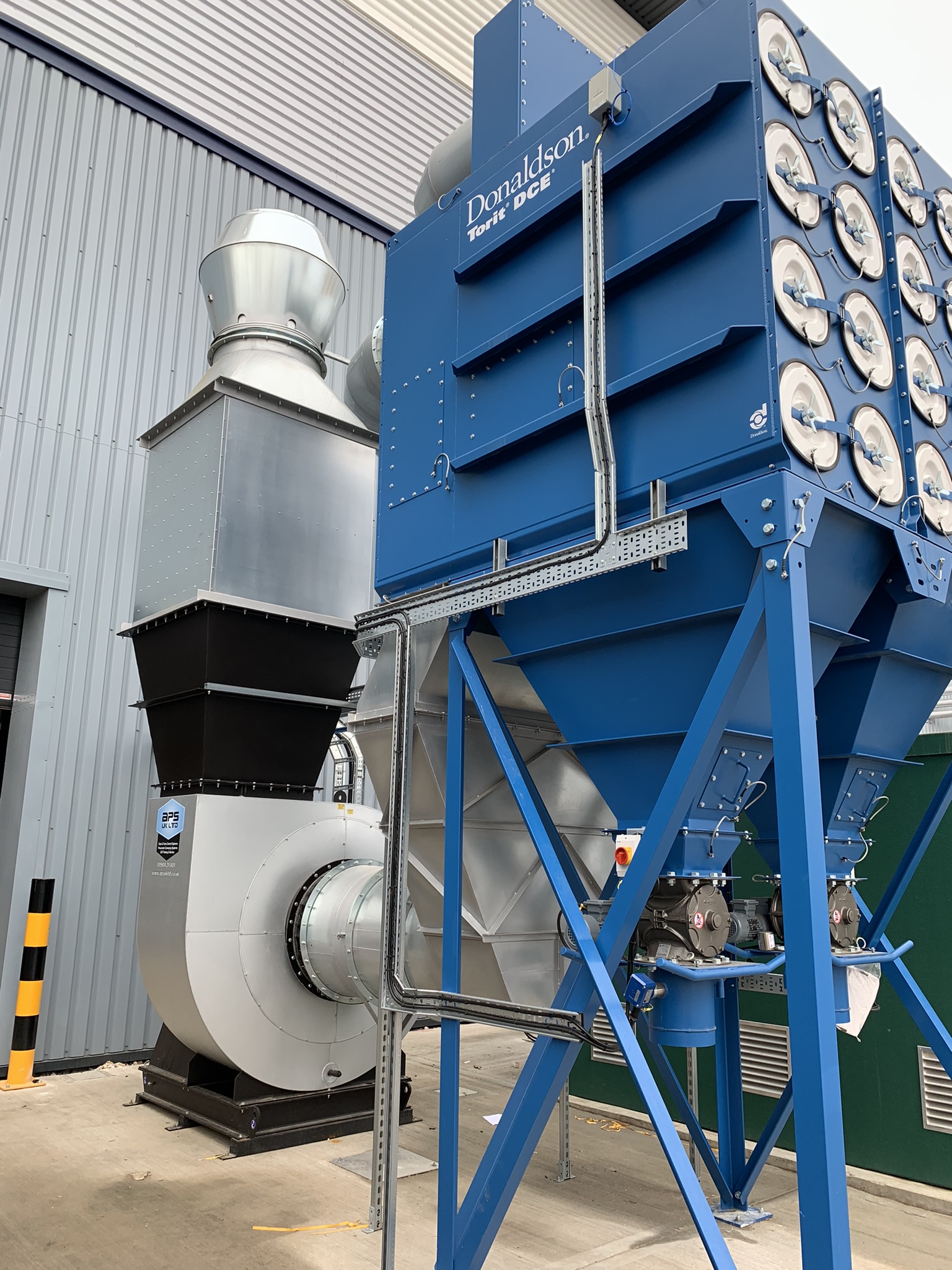
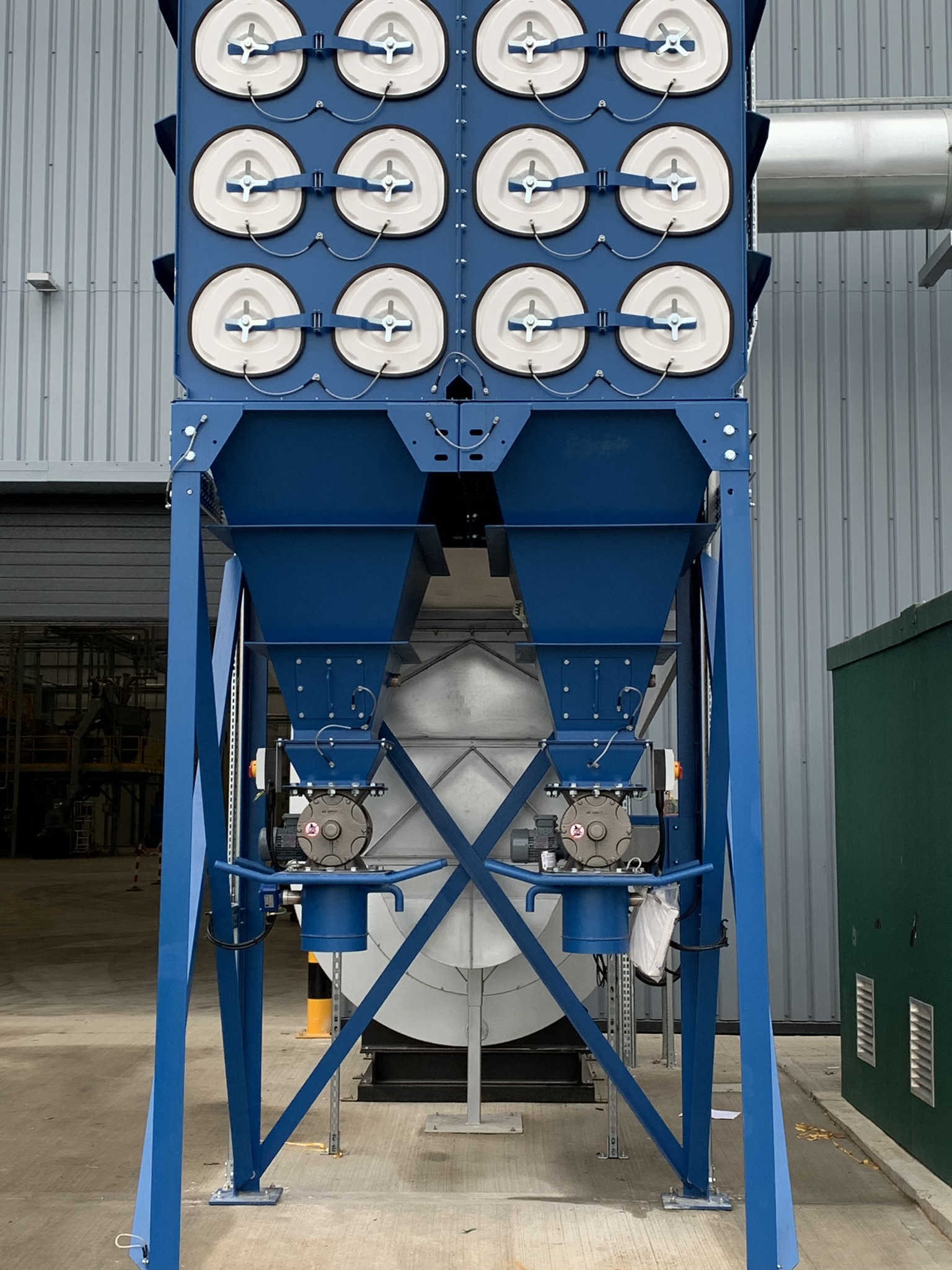
If you want to be certain you’re complying with regulations and keeping your staff safe, you should work with a partner that specialises in bespoke dust and fume extraction systems. An LEV system typically consists of a capture hood or enclosure, ducting, a filtration unit and a fan, with capture-at-the-source vital for plastic manufacturing, to prevent static-charged dust from escaping.
At APS, we operate under Front-End Engineering Design (FEED) principles, meaning we give our customers a detailed framework for decision-making, with feasibility studies and an accurate cost estimate before a full investment is made. This approach allows our P602-certified designers to create a more effective system, suited to our customers exact needs and factory layouts, preventing future costly modifications caused by low quality design work and bad communications.
A bespoke system makes sure airflows, capture methods, and filtration types match the plastic material being processed, lowering the risk of machinery failure cause by dust build up, and safeguarding the long- and short-term health of your team.
Speaking about our expertise, our Project Manager, Mike Cautley, said: “A few years ago, we worked with a plastic packaging manufacturer to control the dust generated in its new recycling facility. We completed a full turnkey installation, improving air quality, enhancing operational efficiency, and ensuring regulatory compliance; exceeding our client’s expectations in the process.”
Don’t risk penalties from non-compliance with COSHH. Put staff safety at the forefront of your operations, and choose APS for a high-quality dust or fume extraction system. Contact us for a consultation today, to learn how our dust and fume experts could help you.
Plastic dust extraction FAQs
A: Plastic dust is hazardous due to both its health and explosion risks. Fine particulates can be inhaled deep into the lungs, causing respiratory issues such as asthma, while certain materials (e.g. PVC) are linked to long-term conditions like lung cancer. Additionally, many plastic powders are combustible and can form explosive atmospheres when dispersed in air.
A: Plastic processing facilities must comply with Control of Substances Hazardous to Health Regulations 2002 (COSHH) and Dangerous Substances and Explosive Atmospheres Regulations 2002 (DSEAR), which require employers to control exposure to hazardous substances and manage and mitigate risks associated with explosive dust atmospheres.
A: High-risk zones include material transfer points, milling and conveying systems, enclosed processing areas, and hidden or hard-to-reach surfaces where dust can settle over time.
A: Front-End Engineering Design (FEED) is a structured planning approach that improves project accuracy, reduces risk, and ensures the final system is fit-for-purpose from the outset.

We Consult
Understanding is key. We take the time to grasp your specific requirements, ensuring solutions tailored just for you.

We Design
With your needs as our blueprint, we craft designs that are both functional and in step with modern aesthetics.

We Install
Our team prioritises a smooth, efficient installation process, minimising disruption while focusing on optimal safety outcomes.