
Demystifying dust extraction: Facts you should know about dust collection
Matt Brown | Published January 16th 2026 | Updated June 12th 2026
Think you know dust extraction? We’re addressing some of the biggest misconceptions about dust collection, including its relevance across different industries, the types of dust that can be harmful, and when dust can cause fires or explosions.
Myth: Dust extraction is only relevant for heavy industries
Reality: Dust extraction is required across a wide range of industries to protect worker health and operations
While it is vital in heavy industries like metal working, dust extraction is an important part of many parts of the manufacturing sector, including food and beverage, plastics, and pharmaceutical production.
In any environment where particulate matter can generate and be accumulated, dust extraction is needed to ensure health and safety regulations like Control of Substances Hazardous to Health are met, and employees stay safe while working.
While they may seem innocuous, activities like mixing, blending and grinding, all create dust which can affect worker health, no matter which ingredients or products are being used and produced.
One good example is in confectionery manufacturing, where airborne sugar can be released at various stages, affecting operating areas. Sugar can build up on machines, reducing overall product quality and presenting significant safety risks.
At APS, we worked with a leading confectionary manufacturer to tackle this issue, implementing a bespoke dust extraction system to effectively capture airborne sugar dust at each stage of the firm’s production process. The result saw a noticeable drop in airborne dust around work areas, creating a healthier environment for staff and reducing dust build-up on machinery, ensuring consistent product quality.
Myth: Only visible dust is harmful
Reality: Dangerous dust particles can be invisible to the naked eye
Some of the most dangerous dust particles are microscopic, and invisible to the naked eye. These particles are especially bad, as they can easily travel deep into the lungs, and even enter the bloodstream.
Respirable dust poses the biggest health risk to factory employees, with the potential to cause long-lasting health effects like lung cancer and asthma. Visible dust is harmful too, causing irritation in the nose, mouth, throat, and eyes when trapped.
No matter the industry, all dust produced in manufacturing can be harmful – whether you’re building helicopters or making tea. Local Exhaust Ventilation (LEV) systems capture and remove all dust, so teams can safely work without being exposed to harmful particles.
Myth: A large amount of dust is needed to cause an explosion or fire
Reality: Just a small cloud of combustible dust can have a devastating impact
For a dust explosion or fire to occur, five main factors must be present: combustible dust, oxygen, dispersion in the air to form a cloud, a confined space, and an ignition source. Even a small amount of accumulated dust in a contained area can cause a significant hazard if ignited.
Types of combustible dust include flour and sugar, as well as particles generated from woodworking and metal working. It’s a big source of danger which can cause serious harm to employees, and it’s one that’s covered under the Dangerous Substances and Explosive Atmospheres Regulations (DSEAR) 2002, which requires employers to put measures in place to control or remove risks arising from dangerous substances.
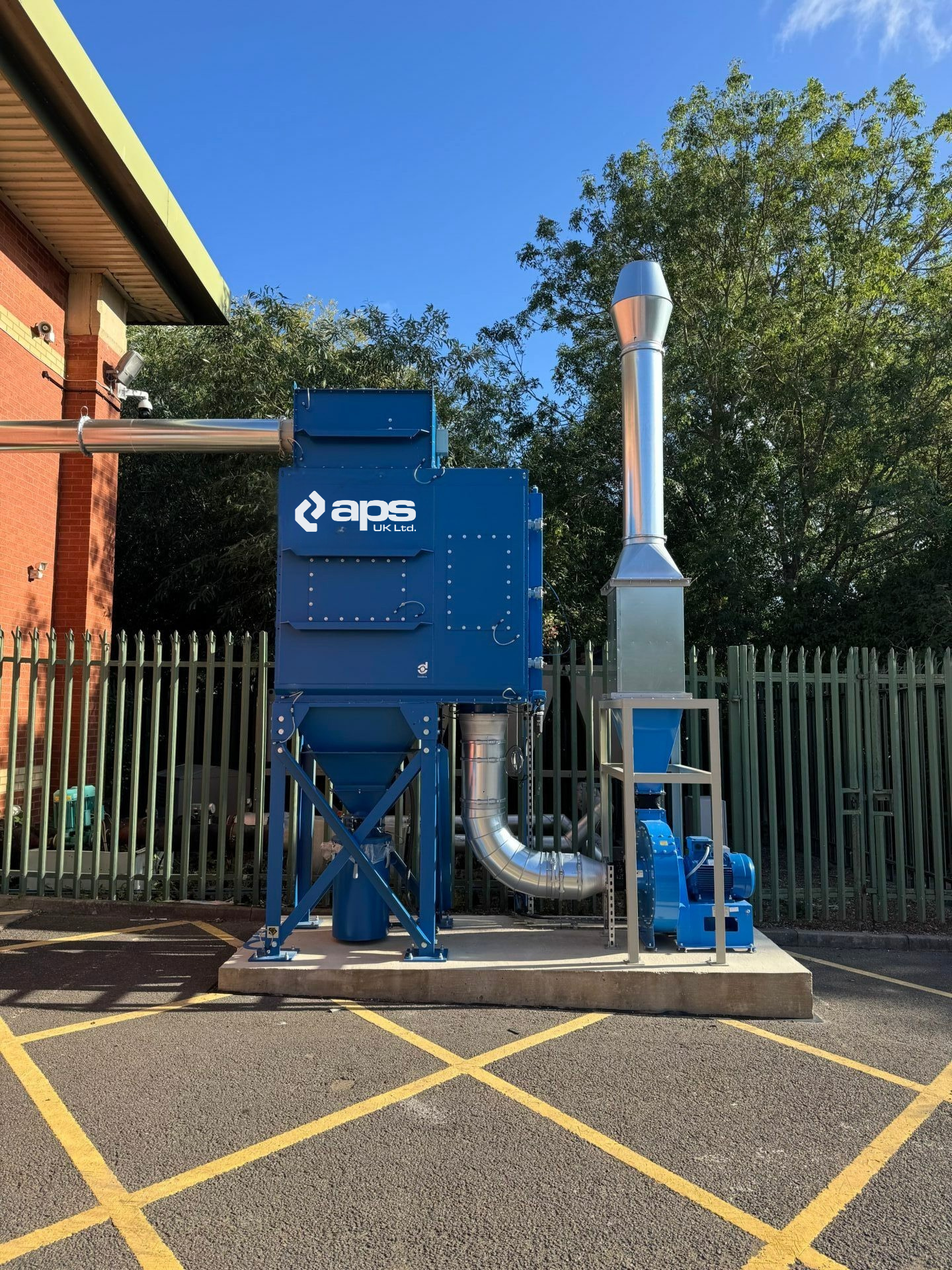
Installing a dust extraction system removes combustible dust from the working environment, reducing the potential of fires and explosions in factories.
Myth: Dust extraction is only for worker health, not machinery
Reality: Effective dust extraction is crucial for maintaining production equipment
Although the primary goal of installing an LEV system is to protect the health of factory employees, effective dust extraction is also important for preventing machinery wear and maintaining high product quality.
Dust can infiltrate moving parts on a production line, causing increased friction, overheating, and electrical damage, and leading to potential mechanical failure and costly repairs. Having a dust collection system in place minimises downtime, and reduces the number of maintenance callouts caused by wear and tear.
Beyond harming equipment, dust can contaminate finished products too. For industries like food and pharmaceutical manufacturing, where cleanliness is an imperative, dust extraction is therefore vital for maintaining good hygiene and ensuring customer happiness.
Myth: Dust collection systems are a one-time install and forget
Reality: LEV systems are complex and require regular testing and maintenance
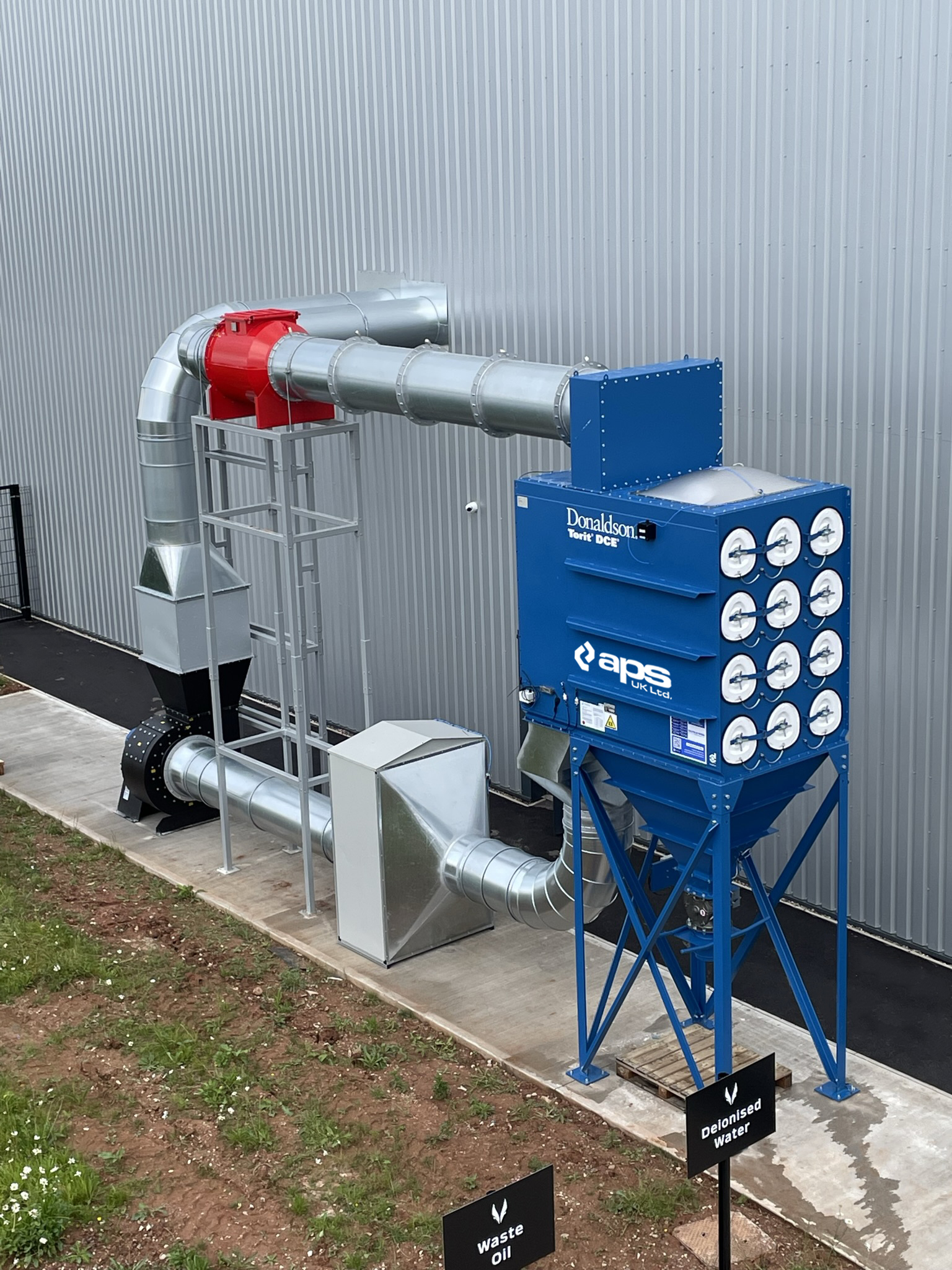
While a high-quality dust extraction system will run smoothly in your factory for years, in the UK, the Health and Safety Executive (HSE) requires you to get it tested every 14 months.
This test should be done by a P601 Certificated LEV Engineer, who will be able to provide a comprehensive report on how your dust extraction system is performing, and make any necessary recommendations on improving its efficiency.
Although there are no specific laws around servicing, generally, LEV systems should see maintenance at least once a year, and high-usage environments may require more frequent checks.
Well-maintained dust extraction systems will be more effective in capturing and removing dust, creating a healthier and safer work environment for employees. As our project engineers at APS often note, even the best systems can shift over time, making regular checks important for keeping dust collection equipment running properly.
Myths, realities, and solutions
| Myth | Reality | Solution |
| Dust extraction is only relevant for heavy industries | Dust extraction is required across a wide range of industries to protect worker health and operations. | Install dust extraction systems to capture particulates at the source and remove them from the production environment. |
| Only visible dust is harmful | Some of the most dangerous particles are microscopic and invisible. Respirable dust can travel deep into the lungs and cause long-term health issues such as asthma and lung cancer. | Implement Local Exhaust Ventilation (LEV) systems to capture both visible and invisible dust. |
| A large amount of dust is needed to cause an explosion or fire | Even a small cloud of combustible dust in a confined area can ignite and cause severe damage. Common materials like sugar, flour, wood, and metal dust pose significant risks. | Use effective dust extraction to remove combustible dust, helping you to comply with DSEAR regulations and reduce the likelihood of fires and explosions. |
| Dust extraction is only for worker health, not machinery | Dust impacts both people and equipment. Particles can infiltrate moving parts, cause wear, overheating, electrical faults, and product contamination. | Maintain clean production environments with dust extraction to protect machinery, reduce downtime, avoid repairs, and safeguard product quality. |
| Dust collection systems are a one-time install and forget | LEV systems require regular testing and maintenance, with Health and Safety Executive (HSE) mandating testing every 14 months by a P601-certified engineer, and recommending regular servicing. | Schedule routine inspections, testing, and maintenance to keep systems performing effectively. |
Implement dust extraction in your factory
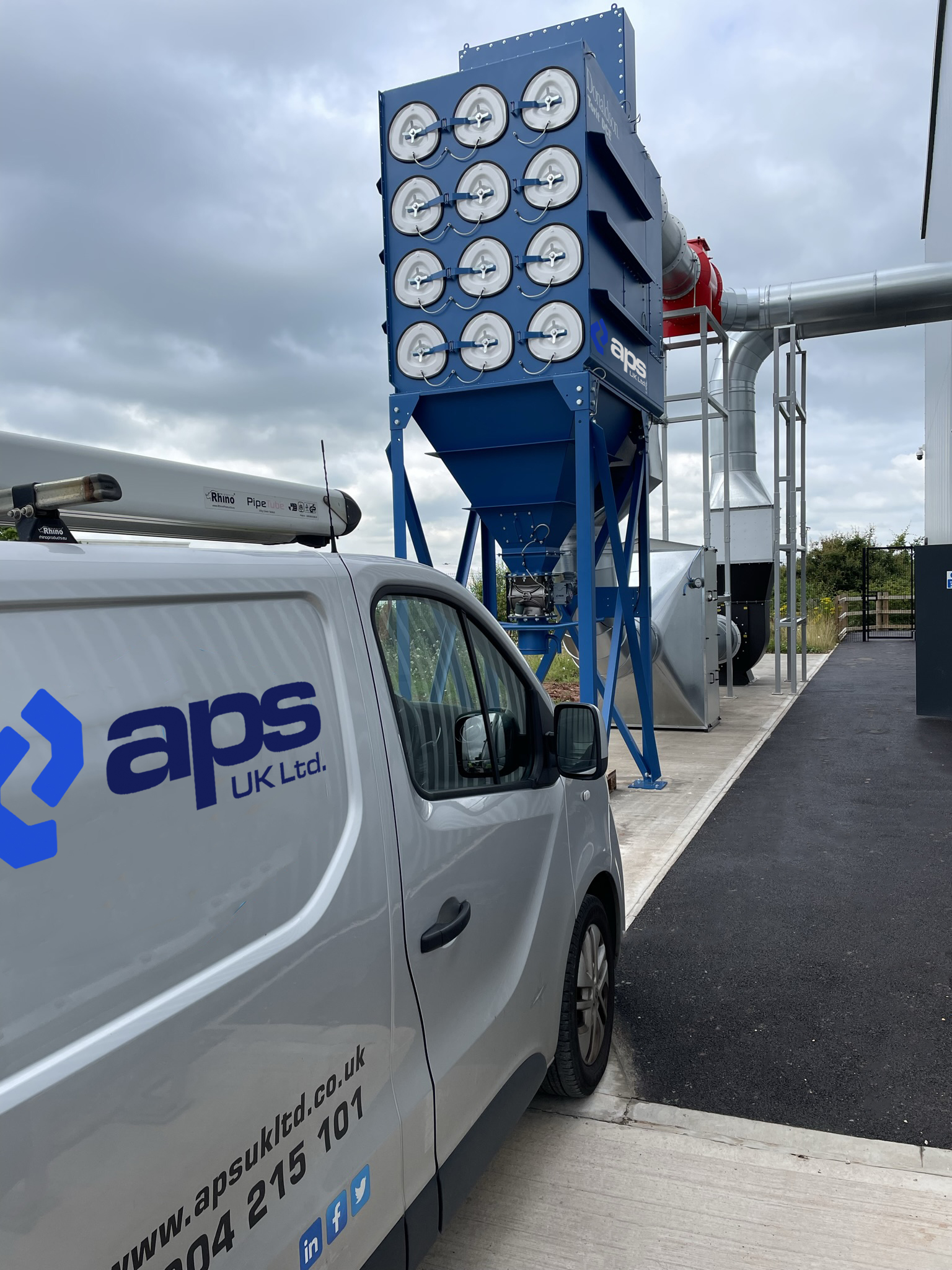
Ready to introduce a new dust collection system to your production line? Speak to our friendly, expert team today, and we’ll design, install, and maintain a bespoke dust extraction solution that suits your needs.

We Consult
Understanding is key. We take the time to grasp your specific requirements, ensuring solutions tailored just for you.

We Design
With your needs as our blueprint, we craft designs that are both functional and in step with modern aesthetics.

We Install
Our team prioritises a smooth, efficient installation process, minimising disruption while focusing on optimal safety outcomes.